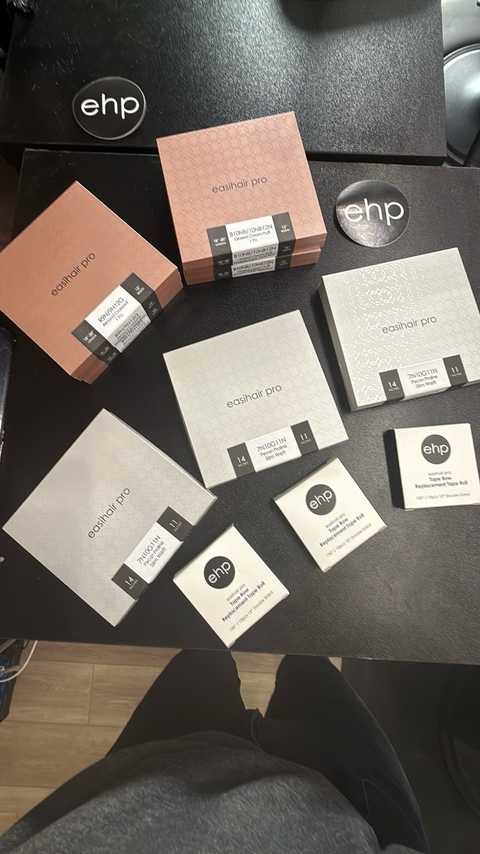
How the tape-row method works
Partial Volume - Tape-Row uses adhesive tape wefts applied in horizontal rows to add targeted density at the sides and near the crown. The method blends tape-in convenience with row coverage for a natural silhouette and soft movement. Placement and row spacing are chosen to enhance balance without adding unnecessary bulk or weight.
Results depend on the number of rows, your natural hair density and texture, and placement decisions made during consultation. At Trio Extensions and Beauty Lounge we plan the application so the appointment aligns with your schedule; the service duration is 105 MINUTES and pricing starts at $285 to reflect the tailored placement and materials.
What to expect during appointment
Your visit begins with a focused consultation to confirm the goal—subtle fullness along the sides—and to match color and weft placement. The tape-row application is a relatively quick-install method compared with sewn wefts, designed to refresh volume with minimal installation time. Expect blending, trimming and styling so the finish moves naturally with your hair.
Scheduling is convenient for San Antonio commuters because the salon is easy to reach from US-281 and Loop 1604 and sits near Stone Oak retail corridors. Move-up maintenance is recommended every six to eight weeks to keep rows secure and positioned, and demand typically rises in May, June, November and December before major events.
Maintenance and longevity factors
Longevity for tape-based methods depends on care, product choices and routine move-ups. Tape-In style extensions generally last three to six months with professional move-ups every six to eight weeks; tape-row combines that adhesive approach with row coverage, so you should plan regular maintenance appointments to preserve both the look and the integrity of your natural hair.
Local climate and lifestyle affect wear: San Antonio’s hot, humid summers and active weekend routines can increase the need for thoughtful aftercare. Regular maintenance visits timed around busy seasons keep the installation tidy, and scheduling ahead for peak months helps avoid delays during high-demand periods like spring and late-year holidays.